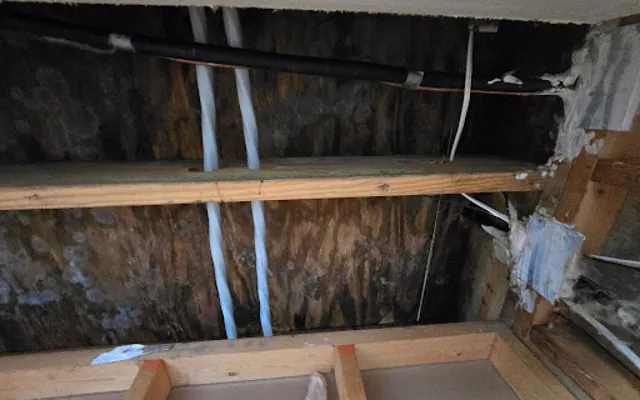
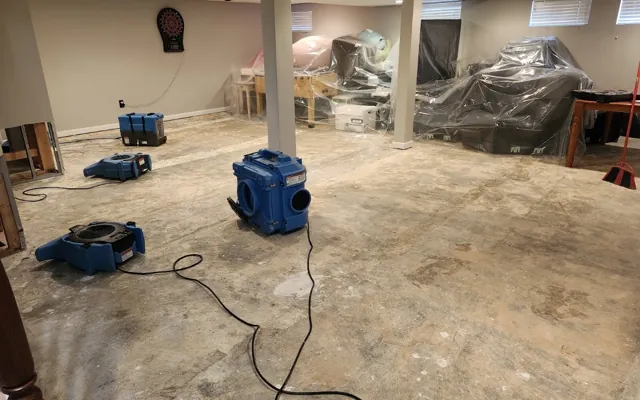
In Freetown-Port Rico, LA, attic leaks need quick action. Local crews respond fast to inspect, dry, and treat the space, following IICRC-standard methods to protect the historic wood and plaster common in the neighborhood's older homes.

Technicians first determine if water is entering from a roof breach, a failing air handler condensate line, or duct condensation. They immediately address the source, such as tarping a roof, to prevent re-wetting during the drying process.
Soaked, compacted insulation loses its R-value and traps moisture against the decking. The crew carefully removes it, exposing the wooden framing and roof sheathing for proper assessment and drying throughout the attic space.
Using industrial air movers and dehumidifiers, the team dries the wood to a precise moisture target. They then apply antimicrobial treatments to surfaces where needed to prevent mold growth in Freetown-Port Rico's humid environment.

Attic water damage cleanup in Freetown-Port Rico typically runs $1,000 to $4,500, depending on how much insulation is soaked, whether the decking and framing took damage, and how much drying and treatment the space needs. A contained condensate leak sits at the low end; a storm-soaked attic with wet decking costs more. Sudden causes like a storm leak or an HVAC failure are usually covered; the loss is documented for your adjuster.
Freetown-Port Rico's low-lying position near the Vermilion River drainage, combined with its many pre-1950 Creole cottages, makes attic water intrusion a frequent issue. Torrential rain can overwhelm old roofs, while slow supply-line leaks can soak insulation and framing unnoticed, threatening the historic structure. The neighborhood's low ground and old wood construction mean even modest storms can send water toward foundations. In this humid climate, slow leaks from aging plumbing or HVAC systems in the attic space can also lead to persistent moisture and mold risks. From Freetown-Port Rico, crews also cover nearby Saint Streets, Sterling Grove, La Place, Oil Center, Downtown Lafayette, McComb-Veazey. See every neighborhood and town on the full service area page.
See all areas servedEvery loss is photographed, measured, and logged from the first visit, so the paperwork holds up with your insurance carrier.
Technicians follow recognized IICRC drying standards and prove the work with daily moisture readings, not guesswork.
Emergency dispatch any hour of the day or night, with a real crew on the way, not a callback in the morning.
A real crew dispatched any hour, not a callback in the morning.
Trained technicians following recognized IICRC drying standards.
Truck-mounted, portable, and submersible for any size loss.
The loss is documented and billed to the carrier directly.
In this neighborhood, two common causes are roof leaks from aging materials during south Louisiana downpours, and HVAC condensate line failures or overflows. The low elevation and older construction mean water from either source can quickly soak insulation and decking.
Yes, insulation that is soaked and matted down is removed. It loses its insulating value and holds moisture against the wood, slowing drying and risking mold. Once the structure is dry, new insulation can be installed to proper specifications for the climate.
Crews are on call 24 hours a day and can be on the way to Freetown-Port Rico within the hour.
Call (337) 614-6808